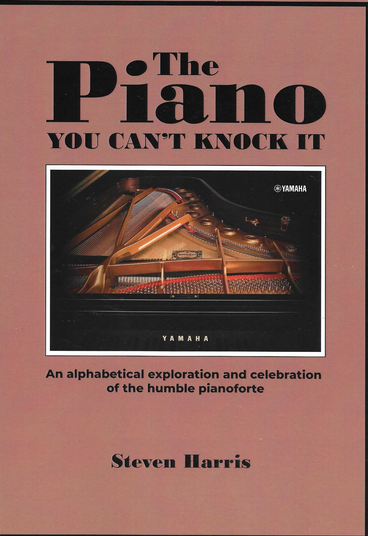
Teachers, Accompanists and Piano Entertainers in the UK
UK Piano Page
4A Empress Park
Empress Road, Southampton
Southampton, Hampshire SO14 0JX
England
Established in 2004, we supply and repair the
Knightley Farm Workshop
Callingwood
Burton-on-Trent, Staffordshire DE13 9PU
England
Drayton Mill
Stourbridge, Worcestershire DY9 0BT
England
Broughton Pianos have been trading for over 30
9 Rothersthorpe Avenue
Rothersthorpe Ind. Estate
Northampton, Northamptonshire NN4 8JH
England
LSM Pianos Ltd. was established back in 1979. We
Beach's Crescent
Little London
Tadley, Hampshire RG26 5ER
England
We are a specialist piano company supplying pianos
Music Festival for performers and guests Our 10th
18-06-2022 01:30PM
The Morecambe Bay Piano Group was set up to extend
11-12-2021 02:00PM
The Morecambe Bay Piano Group was set up to extend
08-01-2022 02:00PM
The Morecambe Bay Piano Group was set up to extend
12-02-2022 02:00PM
The most requested Dance &Party Songs
I Gotta Feeling – Black Eyed Peas,
Yeah! – Usher Feat. Lil Jon & Ludacris,,
Sweet Caroline – Niel Diamond,
You Shook Me All Night Long – AC/DC,
Love Shack – The B-52’s,
Party Rock Anthem – LMFAO Feat. Lauren Bennett & Goon Rock,
1999 – Prince,
Celebration – Kool & The Gang,
Low (Apple Bottom Jeans) – Flo Rida Feat. T-Pain,
Get Down Tonight – KC & The Sunshine Band,
Boom Boom Pow – Black Eyed Peas,
Push It – Salt-N-Pepa,
Dynamite – Taio Cruz,
Jessie’s Girl – Rick Springfield,
DJ Got Us Fallin’ In Love – Usher Feat. Pitbull,
Brick House – Commodores,
Mony Mony – Billy Idol,
Give Me Everything (Tonight) – Pitbull Feat. Ne-Yo, Afrojack, & Nayer,
Wild Thing – Tone Loc,
Just Dance – Lady Gaga Feat. Colby O’Donis,
Save A Horse (Ride A Cowboy) – Big & Rich,
Fire Burning – Sean Kingston,
Tik Tok – Ke$ha,
Stayin’ Alive – Bee Gees,
OMG – Usher Feat. Will.I.Am,
It’s Tricky – Run-D.M.C.,
Sexy And I Know It – LMFAO,
I Like It – Enrique Iglesias Feat. Pitbull,
Jump Around – House Of Pain,
Poker Face – Lady Gaga,
Hey Ya! – Outkast,
California Girls – Katy Perry Feat. Snoop Dogg,
Tootsie Roll – 69 Boyz,
Pour Some Sugar On Me – Def Leppard,
On The Floor – Jennifer Lopez Feat. Pitbull,,
Brass Monkey – Beastie Boys,
The Time (Dirty Bit) – Black Eyed Peas,
The Humpty Dance – Digital Underground,
I Know You Want Me (Calle Ocho) – Pitbull,
Shots – LMFAO Feat. Lil Jon,
Your Love – The Outfield,
In Da Club – 50 Cent,
I Love Rock And Roll – Joan Jett & The Blackhearts,
Sexy Chick – David Guetta Feat. Akon,
Baby Got Back – Sir Mix-A-Lot,
Let’s Get Married (Remix) – Jagged Edge Feat. Run-D.M.C.,
Jump On It! – Sir Mix-A-Lot,
Get Low – Lil Jon & Da Eastside Boyz,
All Summer Long – Kid Rock,
Hotel Room Service – Pitbull,
Ice Ice Baby – Vanilla Ice,
Thriller – Michael Jackson,
Don’t Stop Believing – Journey,
September – Earth Wind & Fire,
Raise Your Glass – Pink
It Takes Two – Rob Base & DJ E-Z Rock
Moves Like Jagger – Maroon 5 Feat. Christina Aguilera
Livin’ On A Prayer – Bon Jovi
My Humps – Black Eyed Peas,
We Are Family – Sister Sledge,
Hips Don’t Lie – Shakira Feat. Wyclef Jean,
Billie Jean – Michael Jackson,
Sandstorm – Darude,
Teach Me How To Dougie – California Swag District,
One More Time – Daft Punk,
Sexy Back – Justin Timberlake Feat. Timbaland,
Yeah 3x – Chris Brown,
Girls Just Wanna Have Fun – Cyndi Lauper,
Stronger – Kanye West Feat. Daft Punk,
This Is How We Do It – Montell Jordan,
In The Ayer – Flo Rida Feat. Will.I.Am,
Play That Funky Music (White Boy) – Wild Cherry,
We Found Love – Rihanna Feat. Calvin Harris,
We No Speak Americano – Yolanda Be Cool & DCUP,
1, 2 Step – Ciara Feat. Missy Elliott,
Holla Back Girl – Gwen Stefani,
Family Tradition – Hank Williams Jr.,
Single Ladies (Put A Ring On It) – Beyonce,
Hot In Here – Nelly,
Another One Bites The Dust – Queen,
U Can’t Touch This – MC Hammer,
Club Can’t Handle Me – Flo Rida Feat. David Guetta,
Bust A Move – Young MC,
Hey Baby (Drop It To The Floor) – Pitbull Feat. T-Pain,
Footloose – Kenny Loggins,
Old Time Rock And Roll – Bob Seger & The Silver Bullet Band,
Brown Eyed Girl – Van Morrison,
Sweet Home Alabama – Lynyrd Skynyrd,
Some Kind Of Wonderful – Grand Funk Railroad,
You Dropped A Bomb On Me – The Gap Band,
The Grease Megamix – Olivia Newton & John Travolta,
Shout – The Isley Brothers,
Twist And Shout – The Beatles,
The Twist – Chubby Checker,
Y.M.C.A. – The Village People,
The Train (Come On And Ride It) – Quad City DJ’s,
Macarena – Los Del Rio,
Cupid Shuffle – Cupid,
Cha Cha Slide – DJ Casper,
The Hustle (My Eyes Don’t Cry No More) – Stevie Wonder,